
1. Overview of the Issue
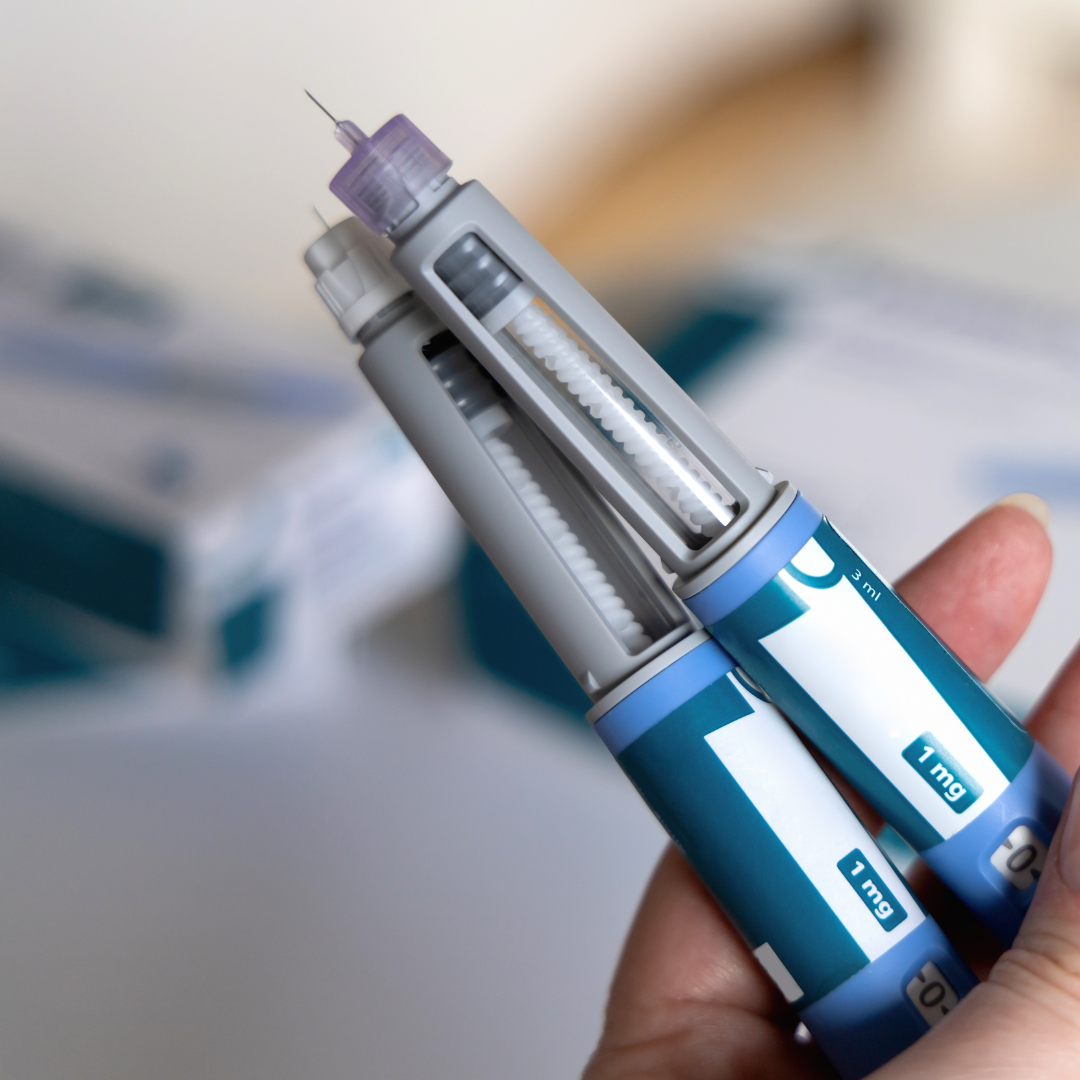
GLP‑1 agonists drugs like semaglutide (Ozempic) and tirzepatide (Mounjaro) have changed the way we treat type 2 diabetes and support weight loss. But new reports are raising concerns about possible GLP-1 side effects, including serious eye problems. A recent study and patient case reports have highlighted a potential link between these medications and a rare vision-threatening conditions called non-arteritic anterior ischemic optic neuropathy (NAION) and Neovascular Age-Related Macular Degeneration (nAMD), which can lead to sudden vision loss.
2. What’s Been Observed
Alarming Eye Findings: NAION and AMD
1️⃣ Nonarteritic Anterior Ischemic Optic Neuropathy (NAION)
A JAMA Ophthalmology case series (Jan 2025) reviewed nine patients who developed NAION, papillitis, or paracentral acute middle maculopathy shortly after starting GLP‑1 drugs
An observational cohort found semaglutide users faced an ~7-fold increased risk of NAION (6.7% vs 0.8% over 36 months)
Experts caution that rapid blood-sugar normalization—not direct drug toxicity—may underlie this increase
2️⃣ Neovascular Age-Related Macular Degeneration (nAMD)
Another JAMA Ophthalmology study (June 2025) tracked ~139,000 older Canadians with type 2 diabetes, revealing a doubling in nAMD risk for GLP‑1 users—about 2 in 1,000 versus 1 in 1,000 for nonusers
Absolute risk remains small—but the relative increase is clinically significant.
3. Potential Mechanisms
Rapid glycemic change: A leading hypothesis is that swift blood sugar normalization may compromise ocular microcirculation, rather than a direct toxic effect from the drugs
Underlying vascular vulnerability: Patients with pre‑existing optic nerve compromise (e.g., small “crowded” optic discs, glaucoma) may be particularly susceptible.
4. Weighing Benefits vs. Risks
GLP‑1 agonists offer strong metabolic advantages—weight reduction, improved glycemic control, and cardiovascular protection—with generally favorable safety profiles. However, these emerging ocular signals, though rare, can have irreversible consequences if not identified early.
5. Important Information for Patients
Here is important Advice for Anyone Taking or Considering GLP‑1 Drugs:
Get a baseline eye exam before starting treatment.
Schedule regular eye checkups, particularly if you are over 60 or have diabetes.
Be alert to any vision changes—such as blurred vision, dark spots, distorted lines, or sudden vision loss—and report them immediately.
Work closely with your healthcare provider: If you’re at higher risk for eye conditions, your doctor may recommend adjusting the dosage or exploring alternative treatments.
In some cases, effective weight management and blood sugar control can be achieved without relying on GLP‑1 medications. Natural, plant-based solutions—such as certain dietary supplements, fiber-rich diets, and lifestyle changes—may offer meaningful support for metabolic health. However, these alternatives are not one-size-fits-all. Patients should always consult their healthcare provider to assess whether a natural approach is appropriate for their individual condition and overall risk profile.
Conclusion
GLP‑1 receptor agonists remain powerful and effective drugs for metabolic health. But new data hint at an underreported cost: eye safety. Awareness, preventive eye exams, and coordination with eye specialists can help users safely enjoy the benefits—while keeping vision intact.
You can find more information on possible GLP-1 agonists side effects here:
Semaglutide and Non-Arteritic Anterior Ischemic Optic Neuropathy
Glucagon-Like Peptide-1 Receptor Agonists and Risk of Neovascular Age-Related Macular Degeneration
This article is intended for informational purposes only. It does not constitute medical advice or promotion of any prescription medication. Always consult your doctor or pharmacist before starting or stopping any treatment.
