
Have you noticed how a cup of tea or a small piece of dark chocolate can brighten a long afternoon? Beyond comfort, both are rich in flavan-3-ols (also called flavanols)—tiny plant compounds that help your blood vessels relax and support your heart. Read on to discover simple ways to include them in your day.
What are flavan-3-ols?
Flavan-3-ols (often called flavanols) are a family of plant bioactives within the flavonoid group. Key members include catechin, epicatechin, theaflavins/thearubigins, and procyanidins. Many fruits, vegetables, especially purple and red, are rich in flavanols. Here are their main food sources:
Tea (green and black)
Cocoa/cacao and dark chocolate
Apples and pears
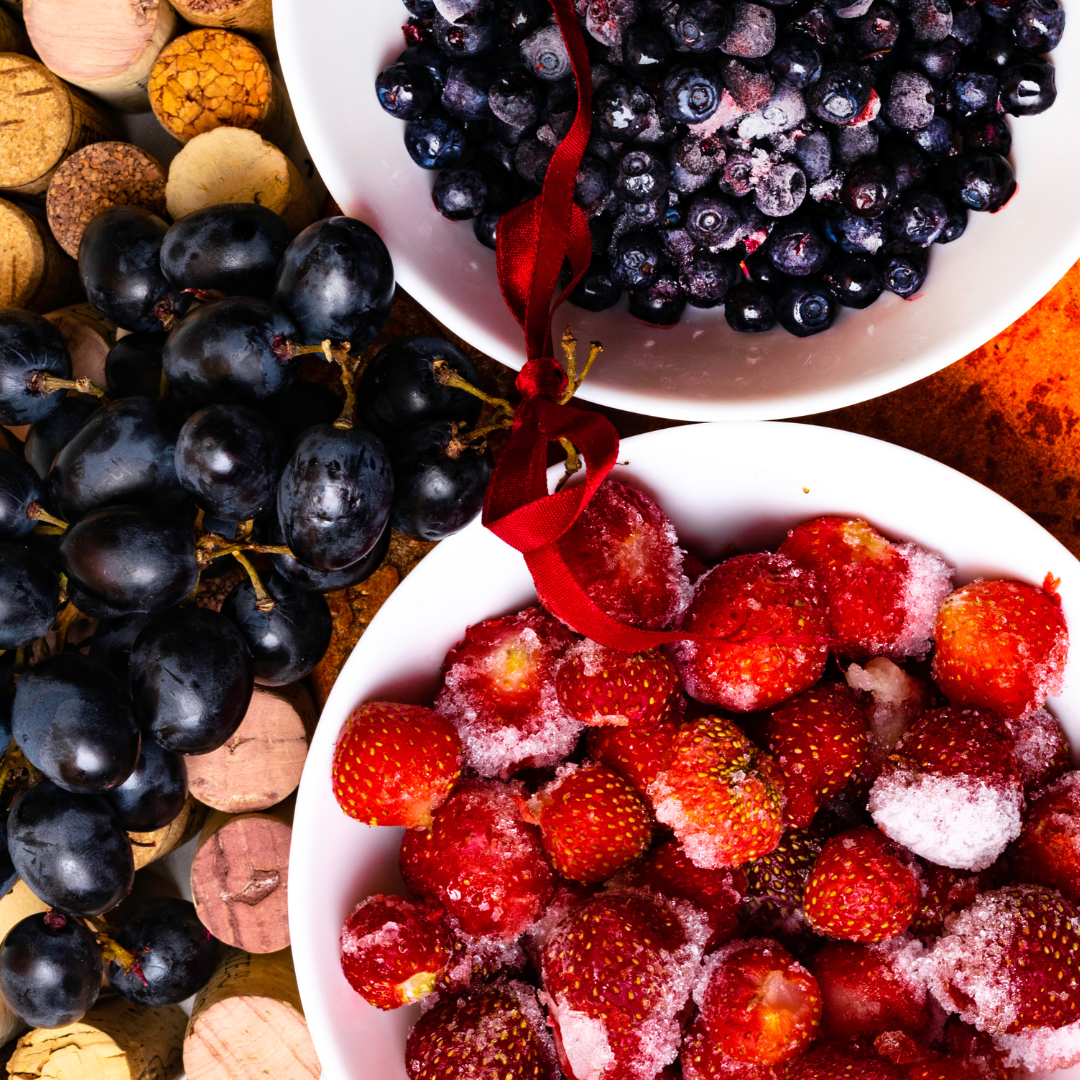
Berries (like blackberries, blueberries)
Grapes (and 100% grape juice in small amounts)
Why do they matter?
Scientific studies have shown positive effect of flavan-3-ols on blood vessels. When blood vessels can relax more easily, it supports healthy circulation. Research over the last decade has linked regular flavan-3-ol intake with modest benefits for things like blood pressure and overall heart health. It’s not magic, and it won’t replace medication or movement—but it’s a simple, tasty habit that nudges things in the right direction.
How much do I need?
Experts state that a daily intake of 400–600 milligrams may allow people to get the most benefit from flavanols.
Here’s a practical rule of thumb:
Two cups of tea most days + some fruit (like an apple or a handful of berries)
brings you close to the amounts shown in research.
Prefer cocoa instead? Add a teaspoon or two of natural (non-alkalized) cocoa powder to warm milk or yogurt. A small square of dark chocolate is a nice extra—not the main course.
Easy ways to consume more flavanols
Morning: Start with green or black tea. Not a tea person? Try warm milk with natural cocoa whisked in.
Lunchbox: Toss in an apple or pear.
Snack: A handful of berries or a couple of squares of dark chocolate (70%+).
Evening: Another mug of tea—decaf is fine if caffeine bothers you.
Tip: If your cocoa label says “processed with alkali” (Dutch-processed), it usually has fewer flavan-3-ols. Choose natural cocoa when you can.
A 7-day “flavan-friendly” mini-plan
Mon: Green tea + apple
Tue: Black tea + cocoa yogurt (stir in natural cocoa + a little honey)
Wed: Green tea + a handful of blackberries
Thu: Black tea + 2 squares dark chocolate after dinner
Fri: Iced green tea + pear
Sat: Hot cocoa (natural powder) + berries
Sun: Your favorite tea + fruit you enjoy
Repeat, swap, mix—keep it simple and enjoyable.
Brewing and buying tips
Tea strength matters. A slightly longer brew usually means more of the good stuff.
Chocolate is calorie-dense. Enjoy small portions (think 1–2 squares).
Cocoa check. Look for “natural” on the tin; avoid “processed with alkali” when flavan-3-ols are your goal.
Sugar watch. Choose unsweetened cocoa; sweeten lightly to taste.
Is it necessary to take Flavan-3-ol supplements?
Flavanols are present in many common foods and beverages, and most people consume enough if they eat a balanced diet containing fruits and vegetables, so there is no need in extra flavanol supplement.
Some studies show that high-dose green tea extract capsules can upset the liver in some cases, especially on an empty stomach. If you’re considering any supplement—particularly if you’re pregnant, have liver issues, or take regular medications—talk to your healthcare professional first.
Quick FAQs
Can coffee replace tea here?
Coffee has its own helpful compounds, but for flavan-3-ols, tea wins.
What about red wine?
Wine contains some, but alcohol brings its own risks. Better to focus on non-alcoholic sources.
I don’t like tea—am I out of luck?
Not at all. Lean on berries, apples/pears, natural cocoa, and a little dark chocolate.
References
- Crowe-White K et al. Flavan-3-ols and Cardiometabolic Health: First Ever Dietary Bioactive Guideline. Adv Nutr (2022). (Includes intake recommendation and food table.) PMC
- Sesso HD et al. COSMOS randomized clinical trial (cocoa extract, 500 mg flavanols/day). Am J Clin Nutr (2022). PubMed
- EFSA Scientific Opinion (2014): Cocoa flavanols 200 mg/day help maintain normal endothelium-dependent vasodilation. European Food Safety Authority
- Cochrane Review (2017): Effect of cocoa on blood pressure Cochrane Library
- Lagou V et al. Eur J Prev Cardiol (advance access, 2024): meta-analysis of RCTs—BP and FMD benefits with flavan-3-ol-rich interventions. PubMedOxford Academic
- USDA Flavonoid Database, Release 3.3 (2018): food composition values referenced in guideline. ARS
- Phenol-Explorer database (methods/coverage overview). PMC
- EFSA Safety (2018): Green tea catechins/EGCG—transaminase elevations ≥800 mg/day from supplements. European Food Safety Authority
- Processing matters: Alkalization (“Dutching”) markedly lowers cocoa flavanols.
(This article is general information and not medical advice. If you have a health condition or take medicines, ask your clinician what’s right for you.)
