
Smoking affects health in many ways — but this one is often overlooked
Most people already know that smoking harms the lungs, heart, and blood vessels. It is strongly linked to cancer, cardiovascular disease, and reduced immunity.
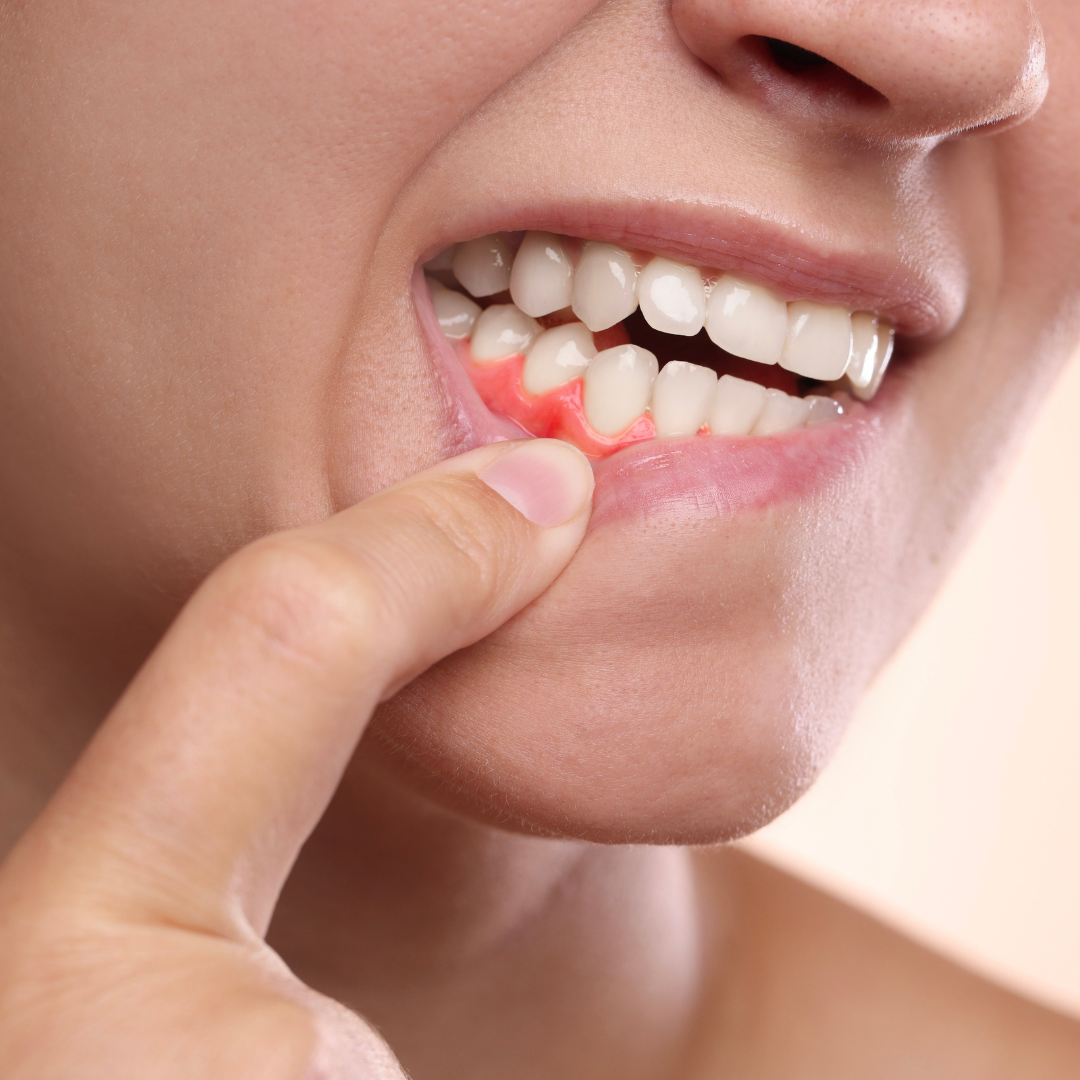
However, there is another serious effect that is often underestimated — smoking significantly damages your gums and oral health.
For both health professionals and patients, this is important: the mouth is not separate from the rest of the body. Gum disease (periodontal disease) is a chronic inflammatory condition that can affect overall health, not just teeth.
What does science say? Smoking and gum disease risk
Scientific evidence consistently shows that smokers are at much higher risk of developing gum disease compared to non-smokers.
- Smokers are 2 to 6 times more likely to develop periodontal diseases
- Up to 40-50% of severe gum disease cases are associated with smoking
Smokers tend to have:
- More plaque and tartar buildup
- Deeper periodontal pockets
- Greater bone loss around teeth
- Treatment outcomes are often less successful in smokers compared to non-smokers
In addition, smoking can mask early signs of gum disease. For example, gums may bleed less due to reduced blood flow, which can delay diagnosis.
Why gum disease matters: more than just the mouth
Gum disease is not just about bleeding gums or bad breath. It can become a serious, progressive condition.
If untreated, it may lead to:
- Gum recession (teeth appear longer)
- Tooth mobility (loose teeth)
- Tooth loss
- Chronic pain and difficulty chewing
- Aesthetic concerns (affecting confidence and social interaction)
This can significantly reduce quality of life, especially in adults.
👉 The good news:
Stopping smoking improves gum health.
- In early stages (gingivitis or mild periodontitis), quitting smoking can:
- Improve blood circulation in the gums
- Reduce inflammation
- Enhance healing after dental treatment
- Former smokers respond better to periodontal therapy than current smokers
In many cases, quitting early can help preserve your teeth and prevent disease progression.
What can be done? Practical prevention steps
Whether someone smokes or not, there are effective ways to reduce the risk of gum disease:
Oral hygiene habits
- Brush teeth twice daily with proper technique
- Use interdental cleaning (floss or interdental brushes)
- Consider antimicrobial mouthwash if recommended
Regular dental care
- Professional cleaning every 6 months (or as advised)
- Early assessment of gum health (periodontal screening)
Lifestyle changes
- Quit smoking — the most important step
- Maintain a balanced diet rich in:
- Vitamin C
- Antioxidants
- Control systemic conditions such as diabetes
Early warning signs to watch for
- Bleeding gums
- Persistent bad breath
- Gum recession
- Loose teeth
Early intervention makes a major difference.
Scientific Reference
1. Johnson GK, Hill M. Cigarette smoking and the periodontal patient. J Periodontol. 2004;75(2):196–209.
2 Tonetti MS. Cigarette smoking and periodontal diseases: etiology and management of disease. Ann Periodontol. 1998;3(1):88–101.
3. Bergström J. Tobacco smoking and chronic destructive periodontal disease. Odontology. 2004;92(1):1–8.
4.Nociti FH Jr, Casati MZ, Duarte PM. Current perspective of the impact of smoking on the progression and treatment of periodontal disease. Periodontology 2000. 2015;67(1):187–210.
5. U.S. Department of Health and Human Services. The Health Consequences of Smoking—50 Years of Progress. A Report of the Surgeon General. 2014.
6. World Health Organization (WHO). Oral health and tobacco. Available from: www.who.int
