
Metabolic syndrome is a group of health problems that often come together — including high blood pressure, high blood sugar, extra fat around the waist, and abnormal cholesterol levels. When these conditions combine, they greatly increase the risk of heart disease, stroke, and type 2 diabetes.
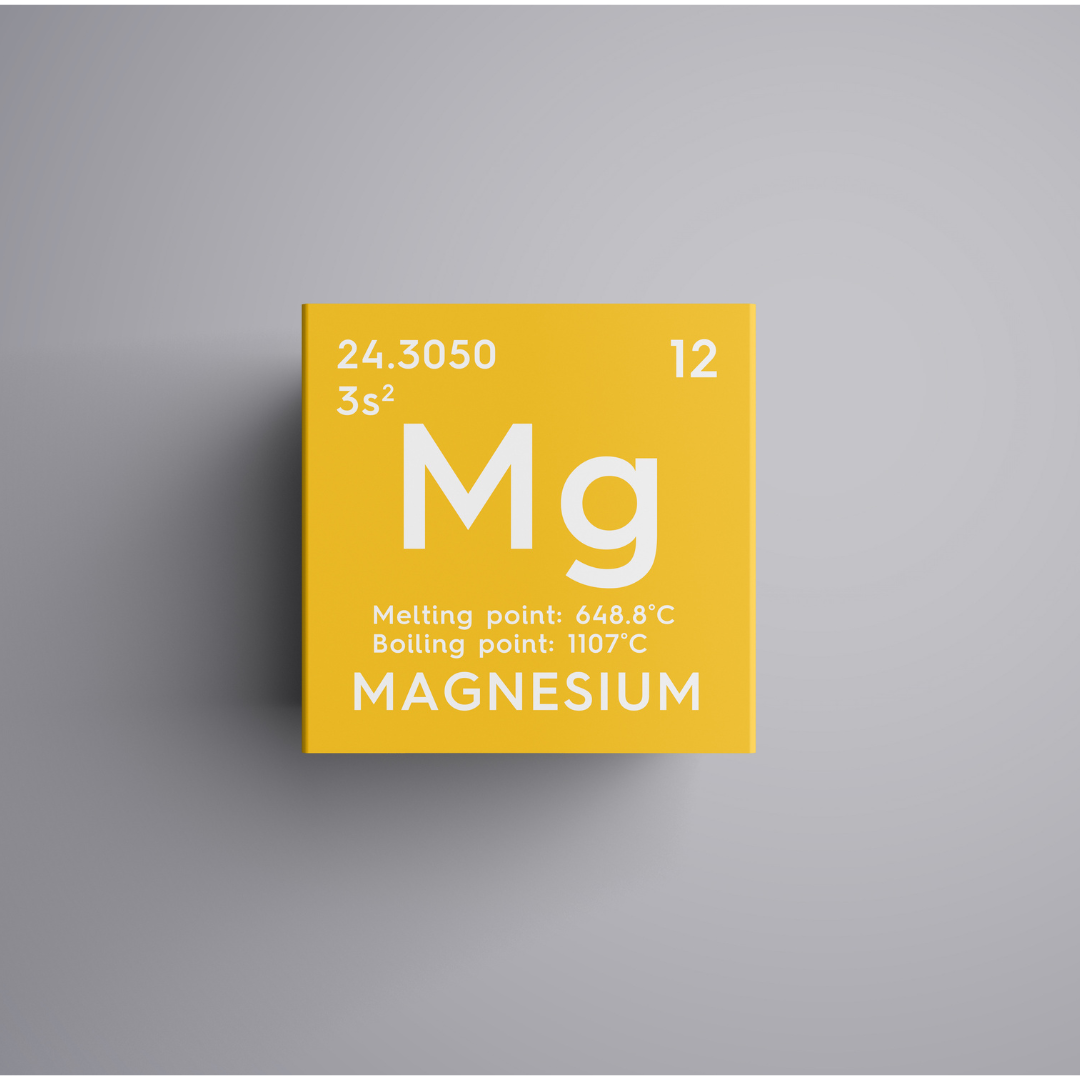
Research has been showing that magnesium, a simple mineral found in foods like leafy greens, nuts, and whole grains, can help prevent or reduce the risks of metabolic syndrome. Let’s look at how.
What does magnesium do?
Magnesium is important for more than 300 chemical processes in the body. It helps with:
✅ muscle function
✅ nerve signaling
✅ keeping the heart rhythm steady
✅ balancing blood sugar levels
These functions explain why it can have an impact on several parts of metabolic syndrome.
How does magnesium help?
✅ Supports insulin sensitivity
People who do not get enough magnesium often have higher insulin resistance, which means their bodies struggle to use insulin properly. Over time, this can lead to high blood sugar and diabetes. Magnesium helps improve insulin sensitivity.
✅ Helps control blood pressure
Studies have shown that magnesium can help relax blood vessels, which reduces blood pressure.
✅ Reduces inflammation
Low-grade inflammation is common in people with metabolic syndrome. Magnesium appears to have anti-inflammatory effects, which can reduce this problem.
✅ Balances cholesterol
Some research suggests magnesium may help balance cholesterol levels, although scientists are still studying exactly how.
How to get enough magnesium
Many people do not consume enough magnesium, especially those eating highly processed foods. You can improve your magnesium intake by including foods such as:
🥦 spinach and leafy greens
🥜 almonds, cashews, and peanuts
🌾 whole grains
🐟 fish
🥑 avocados
For some people, magnesium supplements may be recommended, but it is always best to check with a doctor first.
Key Takeaway
Getting enough magnesium is an easy and natural way to help lower your risk of metabolic syndrome. This mineral supports healthy blood sugar, blood pressure, and cholesterol — key factors for protecting your heart and metabolism.
If you think you might be low in magnesium, talk with a healthcare professional and consider more magnesium-rich foods in your daily diet.
Source: Life Extension Europe
Key Research References
