
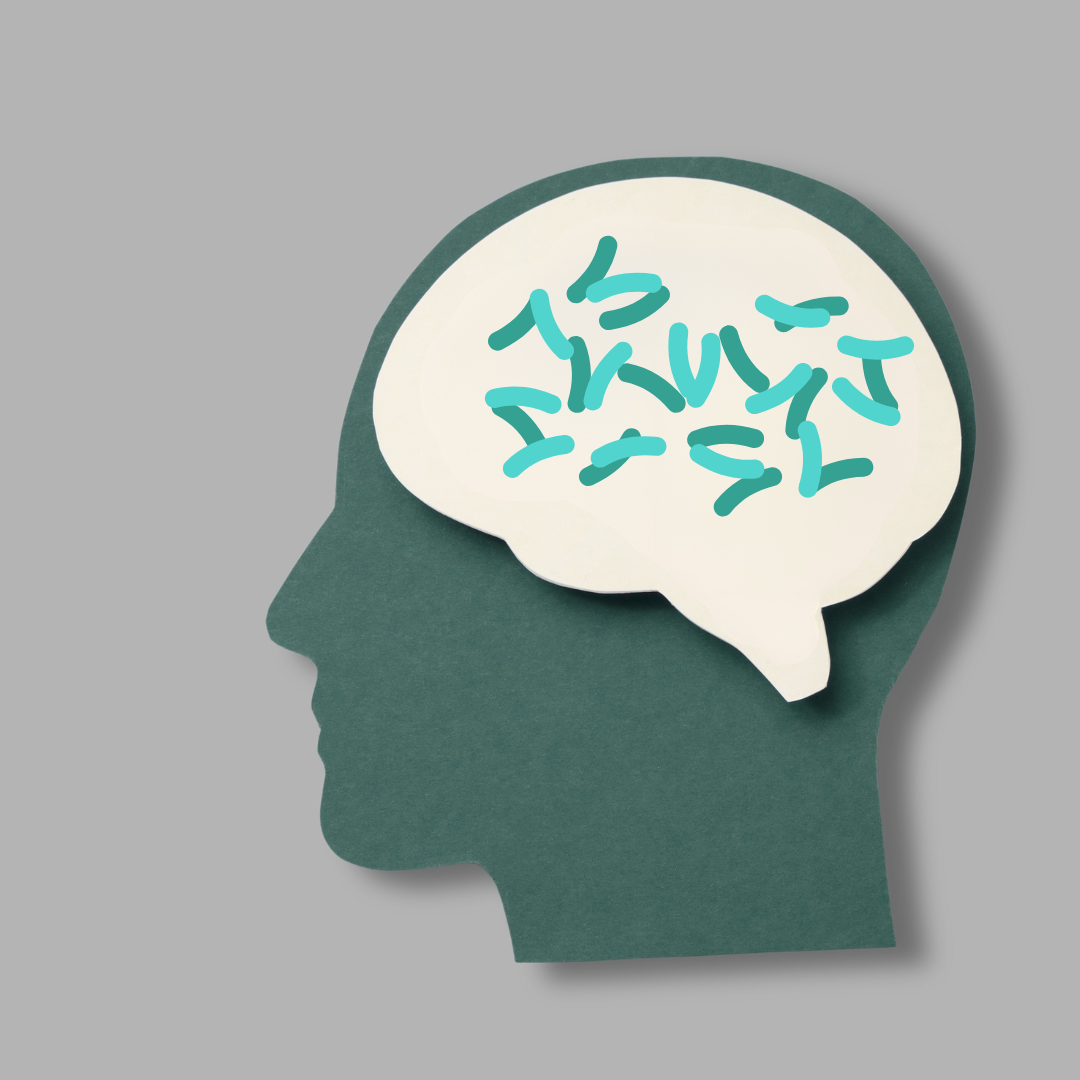
1. Mental Health Disorders Are on the Rise
Anxiety, depression, and other mental health disorders have become increasingly common in today’s world. Even before the COVID-19 pandemic, mental illness affected hundreds of millions of people worldwide. Since then, stress levels have skyrocketed due to isolation, uncertainty, and rapid social and economic changes. According to global reports, one in every eight people lives with a mental health condition, and this number continues to grow.
2. Traditional Medications: Often Effective, But Not Without Risks
Although medications like antidepressants and anxiolytics are widely used, they are not without downsides. Many can cause unwanted side effects such as weight gain, drowsiness, or sexual dysfunction. In some cases, these medications may also lead to dependence or withdrawal symptoms when discontinued. For this reason, researchers and patients alike are looking for complementary or alternative approaches that are safer and more sustainable in the long term.
3. The Gut–Brain Connection: A Game-Changer
Interestingly, recent research has shed light on the powerful connection between the gut and the brain—what scientists now call the gut-brain axis. It turns out that people with depression, anxiety, and other psychiatric conditions often have very different gut microbiota compared to healthy individuals.
This discovery has opened up a new way of thinking: What if we could improve mental health by improving gut health?
4. Enter Psychobiotics: Probiotics with a Purpose
That’s where psychobiotics come in. These are specific strains of probiotics that have been shown to positively affect brain function and mental health. More than just improving digestion, psychobiotics can reduce symptoms of anxiety, depression, and stress by balancing the microbiota and influencing neurotransmitters like serotonin and dopamine (Wang et al., 2020).
For example, strains such as Lactobacillus rhamnosus, Bifidobacterium longum, and Lactobacillus helveticus have demonstrated benefits in improving mood and lowering cortisol levels—the body’s main stress hormone.
Even more promising, psychobiotics are safe, non-addictive, and free from severe side effects—a significant advantage over many pharmaceuticals.
5. How Can You Benefit from Psychobiotics?
Taking psychobiotics for mental health may help:
Improve mood and reduce depressive symptoms
Lower anxiety and stress levels
Enhance sleep quality
Support emotional resilience
Balance gut microbiota for overall wellbeing
Importantly, their effects tend to be gradual. Therefore, consistent use over a few weeks is often recommended for best results. And because psychobiotics are natural and safe, they can be used alongside other treatments as part of a holistic mental health strategy.
6. A Trusted Supplement Example: Bacidofilus Symbio Mental
If you’re interested in trying psychobiotics, one excellent example is Bacidofilus Symbio Mental by Dietmed. This product combines clinically studied probiotic strains with additional brain-supporting nutrients:
Probiotics: Carefully selected strains such as Lactobacillus helveticus and Bifidobacterium longum
Pantothenic acid: Also known as vitamin B5, this helps reduce fatigue and supports mental performance
B-complex vitamins: Important for the nervous system and energy metabolism
Rhodiola rosea: A powerful adaptogen that helps the body adapt to stress
Because it works naturally and without harsh side effects, Bacidofilus Symbio Mental is a great starting point for those who want to explore the benefits of psychobiotics for mental health.
Want to Know More?
For more information or to order the product, please contact BeBetter’s sales representatives. They can help you choose the right supplements for your needs and answer any questions.
References
- Kali A. Psychobiotics: An emerging probiotic in psychiatric practice. Biomedical Journal. 2016 Jun;39(3):223–4.
- Del Toro-Barbosa M, Hurtado-Romero A, Garcia-Amezquita LE, García-Cayuela T. Psychobiotics: Mechanisms of Action, Evaluation Methods and Effectiveness in Applications with Food Products. Nutrients [Internet]. 2020 Dec 19;12(12).
- Laima Ķimse, Reinis A, Lāsma Miķelsone-Jansone, Gintere S, Krūmiņa A. A Narrative Review of Psychobiotics: Probiotics That Influence the Gut–Brain Axis. Medicina. 2024 Apr 5;60(4):601–1.
- Kamal N, Saharan BS, Duhan JS, Kumar A, Chaudhary P, Goyal C, et al. Exploring the promise of psychobiotics: Bridging gut microbiota and mental health for a flourishing society. Medicine in Microecology [Internet]. 2024 Nov 30;23:100118.
